





Aviation Website Design FAQs
Find practical answers about aviation website design, development, SEO, multilingual projects, pricing and how we work.
Questions About Aviation Websites, SEO, and Projects
Explore common questions from airlines, flight schools, MRO providers, charter operators and other aviation businesses planning a new website or redesign.
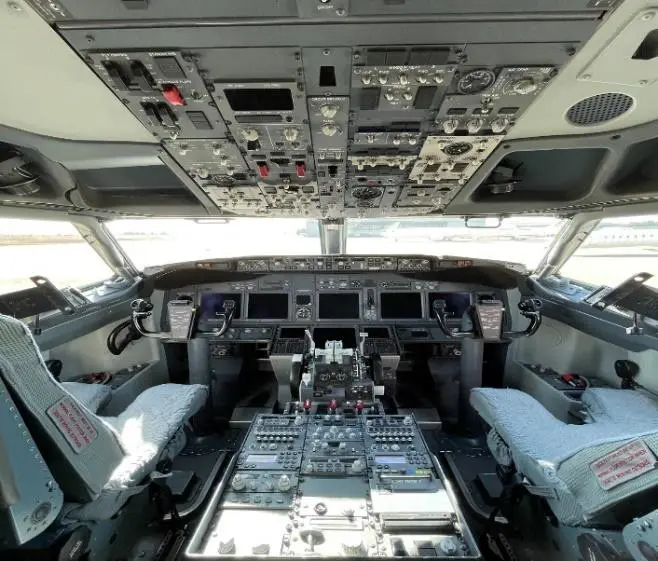
Aviation website design is the planning and design of websites specifically for aviation businesses and organizations. It combines clear information architecture, aviation-focused user experience, professional visual presentation and conversion paths for companies such as airlines, flight schools, MRO providers, charter operators, aircraft brokers, airports and private aviation businesses.
Aviation websites usually need to communicate more complex information than a typical business website. Aircraft, fleets, routes, training programs, maintenance capabilities, certifications, destinations and operational services must be presented clearly to different audiences while maintaining the level of trust and professionalism expected in aviation.
Specialized aviation website design can benefit airlines, flight schools, aviation academies, flying clubs, private and business aviation companies, charter operators, aircraft brokers, MRO providers, airports and other aviation service companies. Each sector requires a different content structure because its customers, services and decision-making process are different.
A professional aviation website should clearly explain the company, its services, relevant aircraft or capabilities, locations or markets served and the next action a visitor should take. Depending on the business, this may include fleet pages, routes, training programs, maintenance capabilities, certifications, destinations, aircraft listings, facilities, FAQs and enquiry forms.
Complex aviation information should be divided into clear content types and connected through a logical hierarchy. Instead of placing technical information on one large page, aircraft, services, capabilities, courses, destinations or certifications can use dedicated sections and reusable page structures that make information easier to scan and understand.
The website structure should reflect the needs of each important audience rather than forcing everyone through the same journey. An airline may serve passengers and business partners, an MRO may serve operators and technical teams, while a flight school may need separate paths for new students, experienced pilots and international applicants.
Trust comes from clear information, consistent branding, high-quality aviation imagery, accurate service descriptions and easy access to evidence of the company's capabilities. Relevant certifications, approvals, aircraft information, facilities, team expertise, contact details and real project or operational information can strengthen credibility when they genuinely apply to the business.
Aircraft information should use a consistent structure that makes different aircraft easy to understand and compare. Depending on the business, an aircraft page may include images, model information, specifications, capacity, range, cabin details, operational role and links to relevant services, routes, training programs or enquiry actions.
A good aviation website helps visitors make an informed decision before asking them to contact the company. Clear service information, useful aircraft or capability details, transparent next steps and relevant calls to action usually create a stronger enquiry journey than aggressive sales messaging or repeated contact buttons.
A good mobile aviation website gives users fast access to the information they are most likely to need without removing important content. Navigation, aircraft information, services, contact actions, forms and technical details should remain readable and easy to use on a phone, with images and interactive elements optimized for smaller screens.
Aviation website development is the technical implementation of a website built around the specific content, functionality and operational needs of an aviation business. It can include custom front-end development, content management systems, aircraft or fleet structures, multilingual functionality, forms, integrations, analytics and other specialized website features.
Not every aviation website requires completely custom development, but custom functionality is useful when standard templates cannot support the required content or workflows. Airlines, MRO providers, flight schools, charter companies and aircraft brokers may need structured fleets, courses, capabilities, destinations, aircraft listings or other reusable aviation-specific content.