
FLEXIBILITY
Generic platform limitations
Build around real aviation requirements instead of forcing complex services and content into a restrictive website structure.

Howdy!
Choose the easiest way to connect about your aviation project.
Get in touch






Build around real aviation requirements instead of forcing complex services and content into a restrictive website structure.
Create a stable technical foundation with efficient templates, optimized media and practical performance across desktop and mobile.
Use structured content, reusable components and scalable architecture that can support new services, markets, languages and integrations.

Fleet, routes, destinations, passenger information, corporate pages and multilingual content systems.
Locations, facilities, ground services, fuel, handling information and structured service enquiries.

Technical capabilities, certifications, supported aircraft, maintenance services and B2B enquiry workflows.
Training programs, course structures, aircraft fleets, admissions information and prospective student enquiries.
Aircraft listings, charter services, destinations, availability enquiries and private aviation lead generation.
Custom platforms for aircraft sales, cargo, consulting, parts, operations and specialized aviation services.
Technical structure planned around services, content relationships, functionality and future business requirements.
Structured administration for managing aviation services, fleets, pages, locations, articles and other reusable content.
Flexible front-end and back-end implementation using technology selected around the actual project requirements.
Scalable language architecture for international aviation businesses, localized content and market expansion.
Enquiry forms, analytics, tracking and required third-party systems connected to the website workflow.
Efficient components, optimized media, responsive delivery and technical foundations built for speed and stability.
Business processes, aviation services, user journeys, content types, integrations and technical requirements are defined.
CMS structure, page relationships, reusable content, multilingual logic and technical architecture are planned before development.
Front-end components, CMS functionality and custom features are implemented around the approved website structure.
Forms, analytics, tracking and required third-party services are connected and tested within the website workflow.
Responsive behaviour, technical SEO, performance, browser compatibility, content and critical user journeys are tested.
The website is deployed with a scalable foundation that can support additional content, languages, features and future improvements.
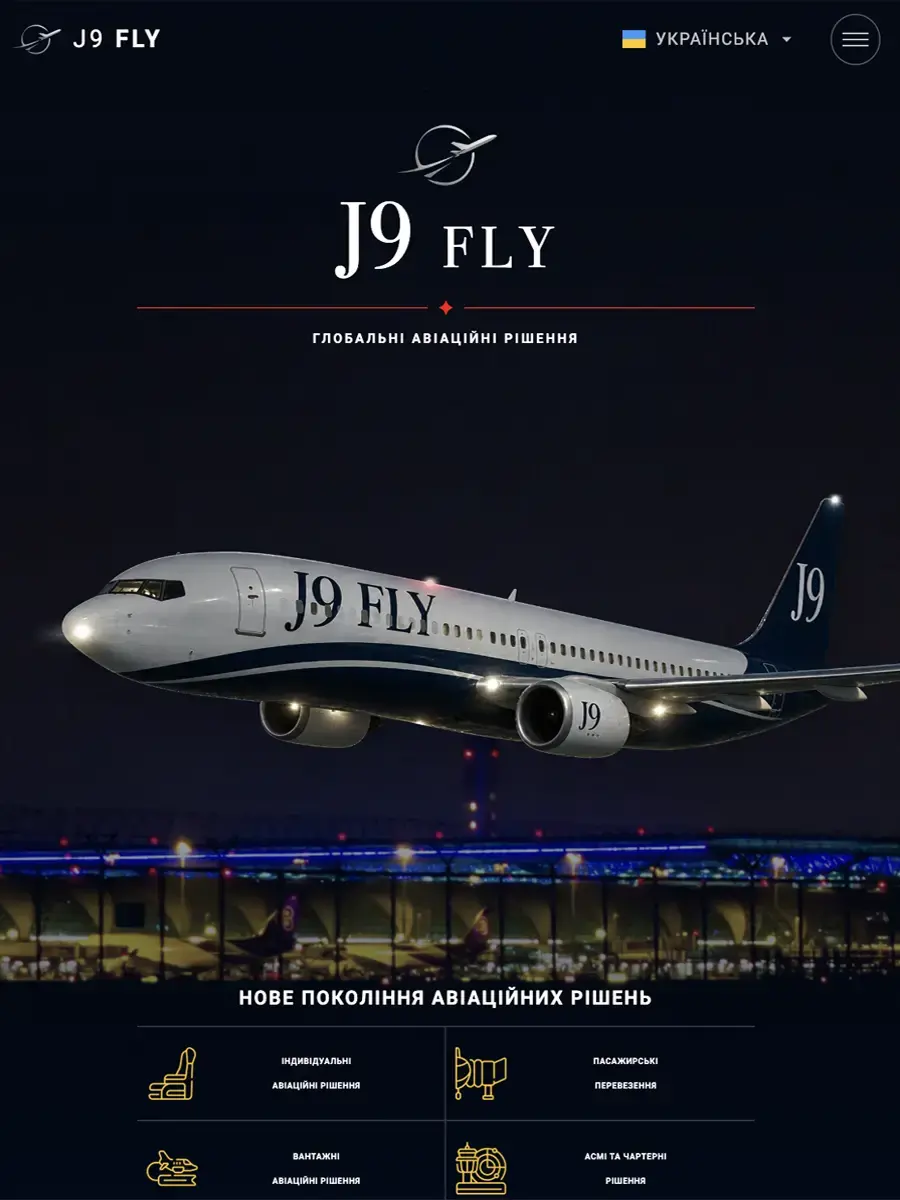
A custom aviation website combining multilingual content, fleet presentation, aviation-specific functionality, technical performance and an SEO-ready content architecture.
Clean URLs, crawlable navigation, internal links and structured templates support a strong technical SEO foundation.
Reusable content models create consistent relationships between aviation services, sectors, aircraft, locations and supporting information.
Schema markup can provide machine-readable context for the organization, services, navigation and relevant page entities.
Responsive images, efficient components and practical front-end optimization help improve speed and user experience.
Multilingual architecture supports localized URLs, hreflang relationships and market-specific search optimization.
Forms, calls, important clicks and other conversion actions can be measured to understand how the website supports business goals.