
CLARITY
Complex training information
Organize pilot licences, ratings, courses, entry requirements and training pathways into a structure that prospective students can understand.

Howdy!
Choose the easiest way to connect about your aviation project.
Get in touch






Organize pilot licences, ratings, courses, entry requirements and training pathways into a structure that prospective students can understand.
Present aircraft, instructors, facilities, approvals and training experience in a professional way that builds confidence in the school.
Create clear journeys from course research to admissions information, consultation requests and qualified training enquiries.
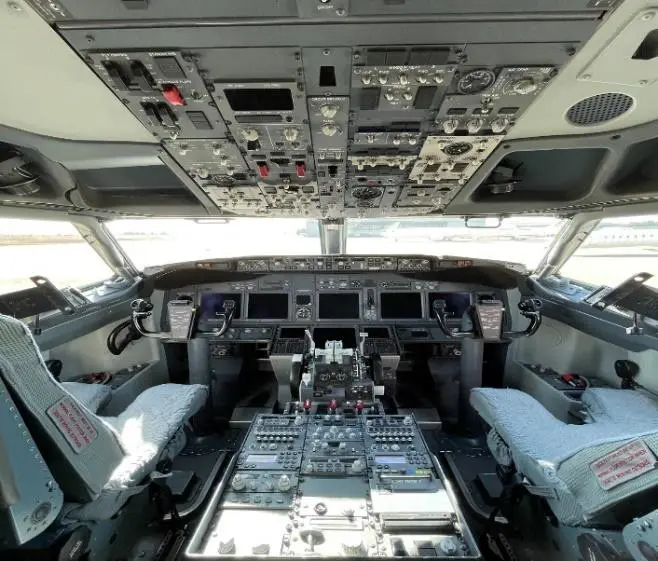
Clear presentation of licences, ratings, training programs, fleet, locations and student enquiry paths.

Structured pilot training content for students researching professional and recreational flying pathways.

Multi-program websites for professional pilot education, integrated training and aviation career development.
Training pages for helicopter licences, ratings, aircraft, instructors and specialized flight programs.
Multilingual content, admissions guidance and course information for students researching training abroad.
Websites for clubs offering pilot training, aircraft access, memberships and local aviation activities.
Structured pages for licences, ratings, professional pilot courses and specialized flight training programs.
Clear entry requirements, application steps, FAQs and enquiry paths that help prospective students understand what to do next.
Reusable aircraft pages for training fleet information, specifications, images and relevant course relationships.
Language architecture for international students, localized content and market-specific search visibility.
Search architecture, metadata, internal links and content planning aligned with pilot training search demand.
Measurement for application forms, course enquiries, calls and other important prospective student actions.
We define training programs, student profiles, licences, ratings, fleet, locations, target markets and admissions goals.
Training programs, course pages, fleet, admissions and supporting search topics are mapped into a clear website hierarchy.
Responsive layouts are designed around prospective student questions, course comparison and clear next actions.
The CMS, reusable training content, multilingual functionality, enquiry forms and required integrations are implemented.
Metadata, internal linking, structured data, technical SEO, mobile behaviour and critical enquiry journeys are checked before launch.
The website launches with analytics and a scalable foundation for additional programs, locations, languages and future content.
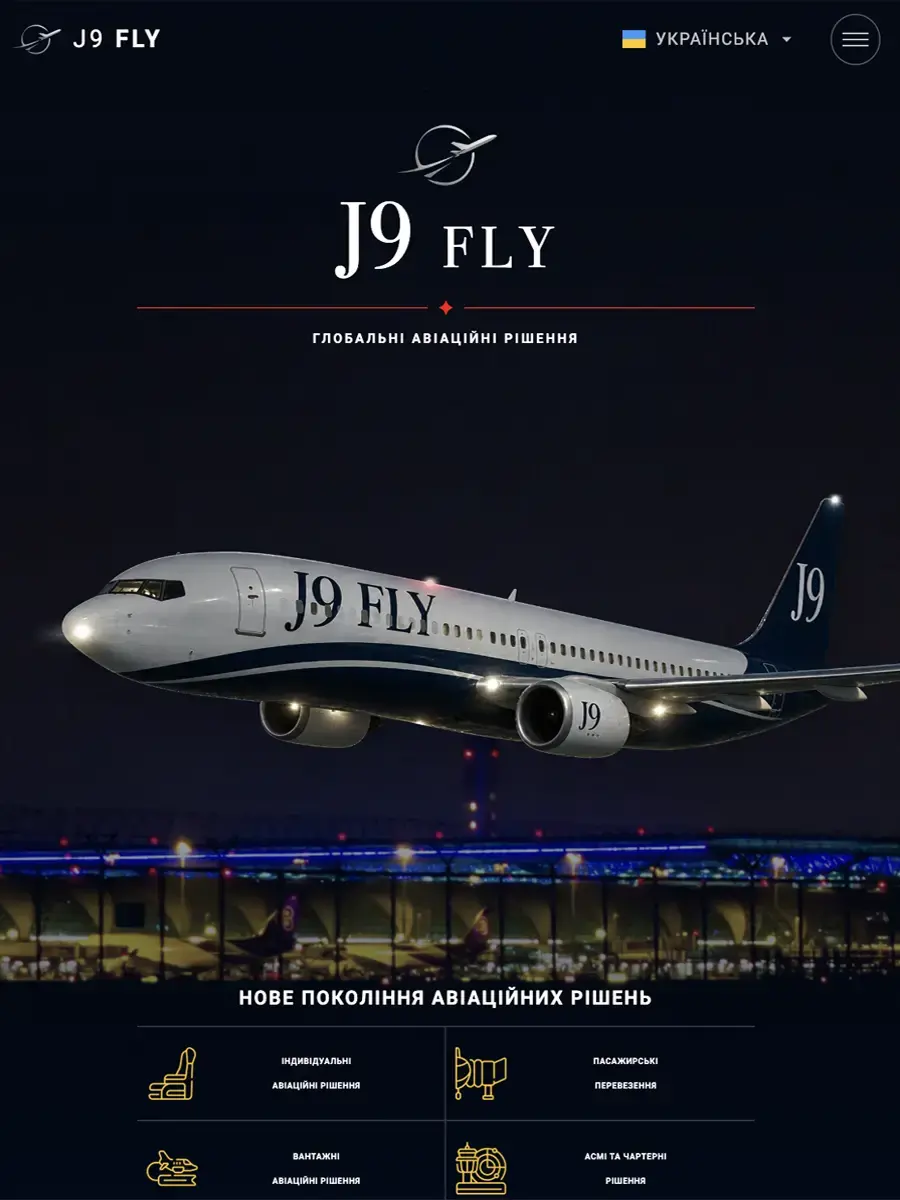
Our aviation website approach combines structured content, multilingual architecture, technical performance and SEO foundations that can also support pilot training organizations.
Dedicated landing pages for licences, ratings and training programs create clearer relevance for specific pilot training searches.
Content is organized around the questions prospective students ask while researching courses, requirements, costs and career paths.
Courses, fleet, admissions, locations and supporting articles are connected to strengthen navigation and topical relationships.
Machine-readable organization, navigation and page information can help search systems understand important website entities.
Localized keyword research, URLs, metadata and hreflang support aviation academy website visibility across international markets.
Course enquiries, applications, calls and important interactions are measured to understand which organic journeys generate results.