







An aircraft sales website should help a potential buyer move efficiently from inventory discovery to aircraft evaluation and a meaningful enquiry. That requires more than attractive aircraft photography. Listings need consistent specifications, clear availability, useful documents, understandable broker context and an enquiry path that preserves which aircraft generated the lead.
A strong aircraft sales website structure also needs to work behind the scenes. Brokers and sales teams must be able to add aircraft, update specifications, change listing status, manage media and remove sold inventory without rebuilding pages manually.
What should an aircraft sales website structure include?
An aircraft sales website normally needs two connected layers: a searchable inventory where buyers discover aircraft and an individual listing template where they evaluate a specific opportunity.
| Website area | Primary purpose |
|---|---|
| Aircraft inventory | Help buyers browse, search and filter available aircraft |
| Aircraft detail pages | Present specifications, media, status and sales context |
| Aircraft categories | Organize inventory by useful aircraft classes, manufacturers or other genuine segments |
| Buyer enquiry | Capture interest with the aircraft context already attached |
| Sell your aircraft | Generate potential seller mandates or valuation enquiries |
| Brokerage services | Explain the company's sales, acquisition or related services |
| Company and team | Establish who is representing the aircraft and handling the transaction |
| Resources | Answer useful buyer and seller questions without overcrowding commercial pages |
The exact architecture depends on the brokerage. A company selling a small number of business jets may require a simpler inventory than a multi-category marketplace containing piston aircraft, turboprops, jets and helicopters.
Specialist Aircraft Broker Website Design should therefore begin with the sales model and inventory workflow. The website needs to represent how the brokerage actually markets aircraft, not force every business into the same generic ecommerce structure.
Aircraft inventory should help buyers narrow the market quickly
The inventory page is often the main bridge between broad interest and a specific aircraft enquiry. Its job is not to display every available data point. Its job is to help a buyer identify which listings deserve closer inspection.
Use meaningful aircraft categories
Categories should reflect the inventory and the way potential buyers reasonably search it. Depending on the business, that may include:
- jets;
- turboprops;
- piston aircraft;
- helicopters;
- commercial aircraft;
- aircraft manufacturer;
- aircraft model or family;
- new listings or featured inventory.
A broker specializing in one narrow segment does not need a large category system merely because broader aircraft marketplaces use one.
Add filters only when inventory justifies them
Useful filters can include aircraft type, manufacturer, model, year, price range, location or other characteristics that genuinely help buyers reduce the result set.
With only a handful of aircraft available, extensive filtering can make the site feel more complicated without solving a real problem. As inventory grows, search and filters become more valuable because buyers otherwise have to open many listings individually.
Make listing cards useful before the click
An inventory card should provide enough context for buyers to decide whether to open the aircraft page. Depending on the market, that may include:
- manufacturer and model;
- year;
- primary photograph;
- location;
- price or price-on-request status;
- a small number of differentiating facts;
- listing status.
The card should not attempt to reproduce the full specification sheet. Detailed technical evaluation belongs on the aircraft page.
Each aircraft needs a structured detail page
The aircraft detail page is where browsing turns into evaluation. It should combine sales presentation with structured information that a serious buyer can scan efficiently.
A strong listing normally begins with the aircraft identity and current sales status, followed by key highlights, media, specifications and a clear way to contact the responsible broker.
Use a consistent specification hierarchy
Aircraft information becomes easier to compare when similar listings follow the same order. The exact data model depends on aircraft category, but useful specification groups may include:
| Specification group | Examples of information that may belong there |
|---|---|
| Aircraft overview | Manufacturer, model, year, serial number, registration, location |
| Airframe | Total time and other relevant airframe information |
| Engines | Engine model, times and status where applicable |
| Propellers or APU | Relevant times and equipment depending on aircraft type |
| Avionics | Installed systems and important upgrades |
| Interior | Configuration, seating and refurbishment context |
| Exterior | Paint scheme and relevant exterior information |
| Maintenance | Inspection or maintenance information appropriate for the listing |
| Additional equipment | Optional systems, modifications or notable equipment |
Not every listing needs every section. A light piston aircraft and a large business jet have different technical and buyer-information requirements. The CMS should allow the structure to adapt without abandoning consistency.
A good aircraft listing makes important information easy to scan while leaving technical detail precise enough for a serious buyer to continue due diligence.
Separate factual specifications from sales narrative
The aircraft description can explain why the listing is notable, summarize configuration or highlight recent work. Specifications should remain structured separately so a buyer does not have to search through promotional copy for basic aircraft data.
This separation also improves maintenance. A broker can update a factual field without rewriting descriptive paragraphs elsewhere on the page.
Photography, video and documents should support aircraft evaluation
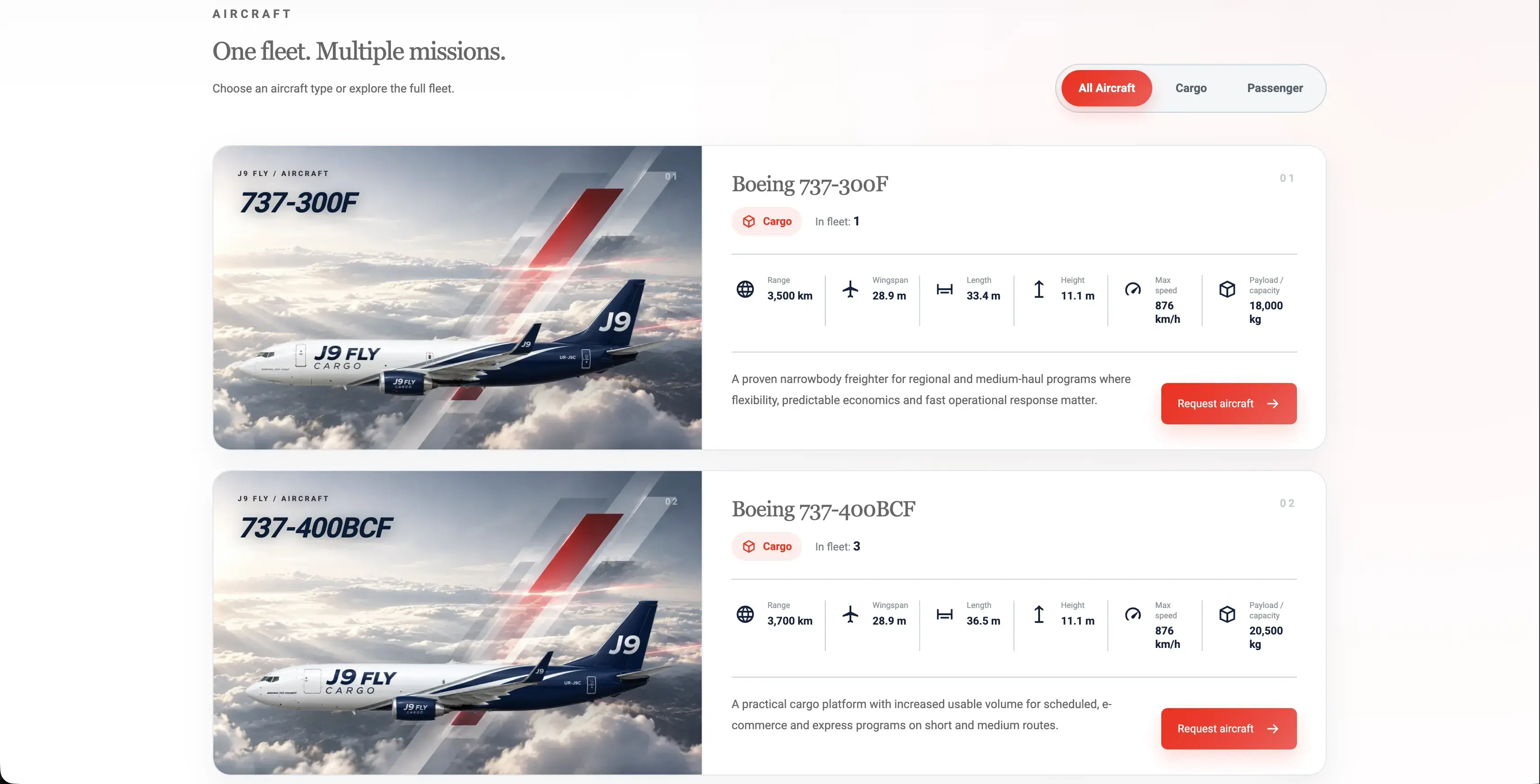
Aircraft sales are highly visual, but media should help a buyer understand the aircraft rather than simply make the page look premium.
Organize aircraft photography logically
A useful gallery may include:
- exterior views;
- flight deck;
- cabin and seating configuration;
- galley or service areas where relevant;
- lavatory where relevant;
- cargo or baggage areas;
- engines or other important technical areas where appropriate.
Photography should represent the actual aircraft whenever the listing is presented as a specific aircraft for sale. Generic manufacturer imagery can create confusion if visitors cannot distinguish it from real listing photography.
Provide documents without burying the listing
A downloadable specification sheet or brochure can be useful for buyers who want to share the opportunity internally or retain a structured summary. The website page should still contain enough information to evaluate the listing without requiring an immediate PDF download.
Documents also need lifecycle management. If specifications change, the downloadable document and webpage should not contradict one another.
Use video where it adds information
Walkarounds, cabin tours or other listing video can provide useful additional context. Video should complement rather than replace photographs and structured specifications, because different buyers consume information differently.
Buyer enquiry UX should retain the aircraft context automatically
A buyer who clicks “Enquire” from an aircraft listing should not arrive at a generic form and have to type the aircraft name manually. The system already knows which listing produced the enquiry and should carry that information forward.
A useful aircraft buyer enquiry may include:
- aircraft reference automatically attached;
- buyer name;
- company where relevant;
- email;
- telephone or preferred contact method;
- optional message;
- specific request type where useful, such as specifications, viewing or general enquiry.
The initial form should remain proportionate to the stage of the relationship. Detailed financial, identity or transaction information can be collected through the appropriate process later when necessary.
Show the responsible broker
Aircraft pages can identify the broker or sales representative responsible for the listing, with direct contact information where that matches the brokerage workflow. This makes the enquiry more accountable and can be particularly useful when different team members specialize in different aircraft.
Route leads with complete listing information
The notification or CRM record should contain the aircraft identifier, source URL and relevant campaign information in addition to the buyer's message. That reduces manual interpretation and allows the team to measure which aircraft pages generate serious interest.
This type of workflow should be considered during aviation web development, particularly when listings need CRM integration, multiple brokers, external inventory feeds or automated lead routing.
Aircraft listing status needs a defined lifecycle
An aircraft sales website changes constantly. New inventory arrives, pricing changes, negotiations progress and aircraft are sold or withdrawn. The site needs a deliberate workflow for those changes.
Define useful public statuses
Depending on the brokerage model, listings may use states such as:
- available;
- new listing;
- price reduced;
- under agreement or sale pending;
- sold;
- off market.
Only statuses that the sales team can maintain reliably should be published. A sophisticated status system becomes counterproductive if no one updates it.
Do not leave unavailable aircraft looking active
A buyer who repeatedly contacts the broker about aircraft that are no longer available may begin to distrust the entire inventory. Listing status therefore affects credibility, not only administration.
The broader principles from private aviation website trust signals apply here as well: information presented as current should have a real process for staying current.
Decide what happens to sold aircraft URLs
Immediately deleting every sold aircraft page may not always be the best content-management decision. A brokerage can define whether sold listings remain visible for a period, become clearly marked historical records or are removed and redirected where a relevant destination exists.
The choice should consider user value, search history, confidentiality and the company's sales strategy rather than applying one rule mechanically to every listing.
The CMS should treat aircraft as data, not ordinary blog posts
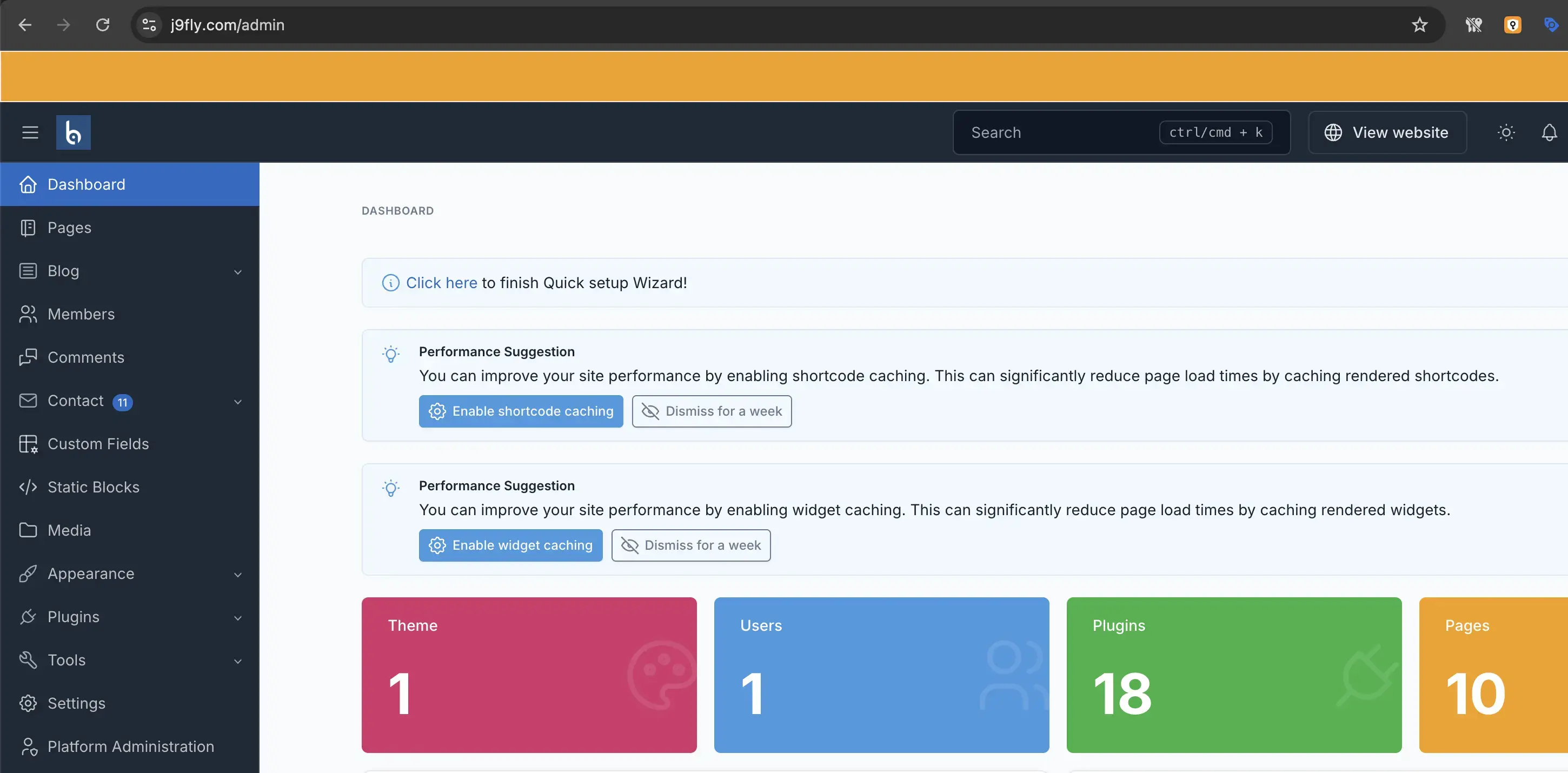
An aircraft inventory becomes difficult to maintain when every listing is assembled manually from free-form page sections. Structured fields provide more control over consistency, filtering and future integrations.
A listing content model might include:
- listing title;
- manufacturer;
- model;
- year;
- serial number;
- registration where published;
- location;
- price or pricing mode;
- status;
- airframe information;
- engine information;
- avionics;
- interior and exterior;
- maintenance information;
- featured image and gallery;
- documents;
- assigned broker;
- related aircraft category.
Structured data makes inventory reusable
Once information is stored consistently, the website can reuse it on inventory cards, search results, aircraft pages, related-listing modules and internal dashboards without requiring duplicate entry.
It also becomes easier to change the inventory interface later. A new filter can use an existing manufacturer or aircraft-type field instead of trying to extract that information from paragraphs of text.
Plan integrations around one source of truth
A broker may already maintain inventory in another system or distribute listings to external marketplaces. Before building integrations, determine which system owns the authoritative aircraft data and which systems receive it.
Two-way synchronization without clear ownership can create conflicting prices, status or specifications. The architecture should define where updates begin and how they propagate.
Aircraft sales SEO should follow inventory and buyer intent
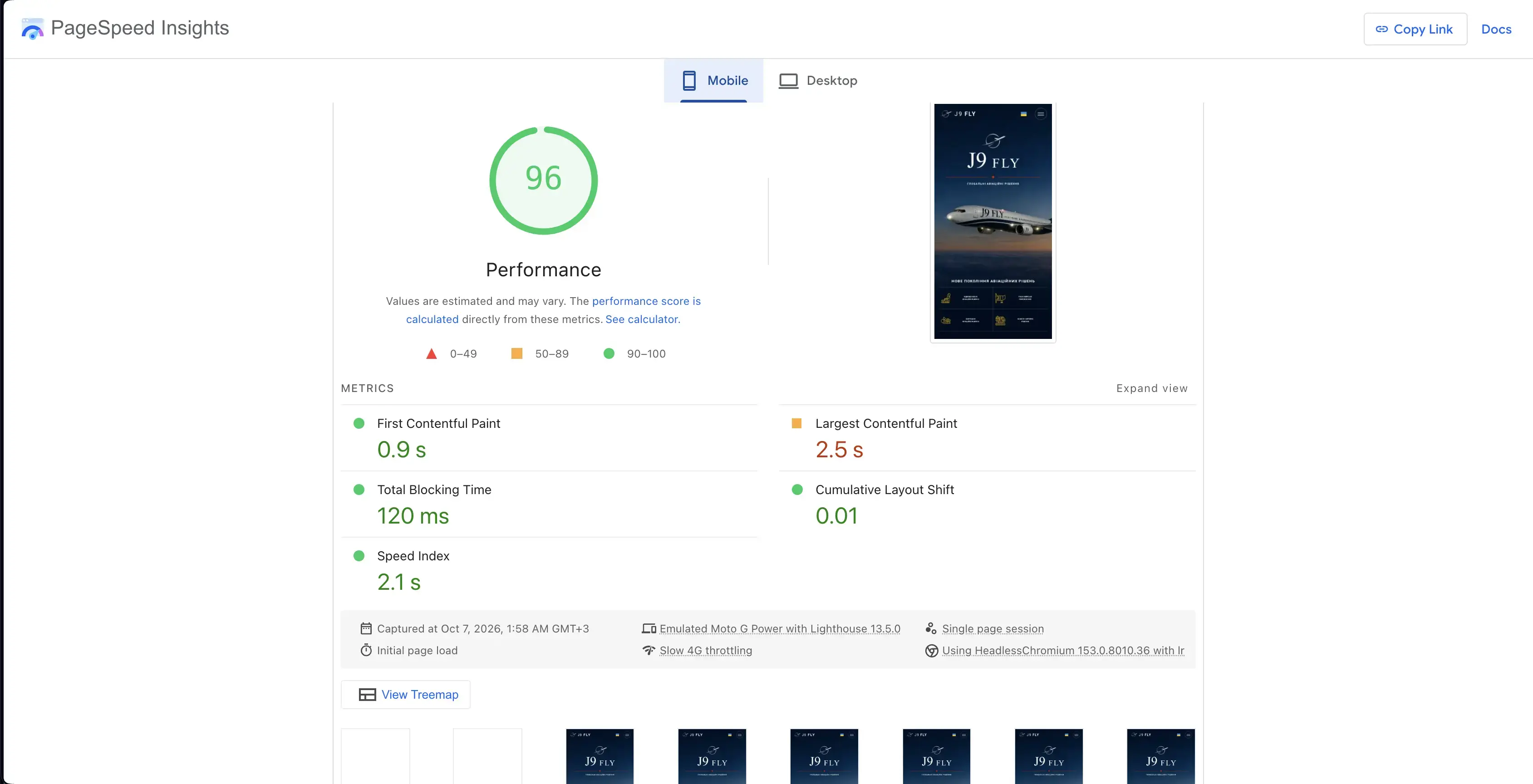
Aircraft sales websites can attract searches around manufacturers, aircraft models, individual listings and broader sales or acquisition services. The SEO structure should mirror those distinctions rather than forcing every query onto one inventory page.
Individual aircraft pages can target the specific aircraft opportunity, while manufacturer or category pages may be useful when the brokerage has enough relevant inventory and supporting information to justify them.
Broader commercial terms relating to aircraft brokerage should remain with the primary brokerage service page rather than being duplicated across inventory content.
Avoid generating empty category pages
Automatically creating a public URL for every possible manufacturer, model, year or location can produce thin pages with little or no inventory. Only indexable pages that provide a useful search destination should become part of the deliberate architecture.
Use aircraft data consistently in titles and headings
Listing templates can generate a reliable baseline from structured aircraft data while still allowing editorial control where needed. Manufacturer, model and year should not appear differently across the inventory card, page heading and metadata because they were entered manually several times.
Connect supporting content to commercial inventory
Research content about aircraft selection, acquisition considerations or buyer questions can support inventory when it answers a genuinely different search intent. The keyword and page ownership should be defined before publishing at scale.
A structured aviation keyword research process can determine whether a query belongs to an aircraft listing, category page, brokerage service page or supporting article, reducing unnecessary competition between URLs.
Measure buyer interest at listing level
Aircraft sales analytics should help the brokerage understand which inventory produces meaningful buyer activity, not merely which pages receive the most views.
Useful events may include:
- aircraft enquiry submissions;
- phone or email actions from a listing;
- specification-sheet downloads;
- gallery or video engagement where useful;
- inventory search and filtering;
- transitions from category pages to individual listings;
- seller enquiries generated from aircraft sales content.
Listing analytics can also reveal demand patterns. An aircraft receiving significant views but almost no enquiries may need better information, different positioning or commercial review. Analytics cannot determine the reason alone, but it can identify where investigation is warranted.
Common aircraft sales website mistakes
- Using inconsistent listing formats. Buyers have to relearn the page structure for every aircraft.
- Presenting the inventory as a photo gallery. Important specifications are difficult to compare.
- Creating too many filters for a small inventory. The interface becomes more complex than the underlying catalogue requires.
- Using generic enquiry forms. The broker receives a lead without knowing which aircraft generated it.
- Keeping sold aircraft marked as available. Inventory credibility deteriorates.
- Duplicating specifications across multiple page blocks. One update produces inconsistent aircraft data.
- Making PDFs the only source of detailed information. Buyers cannot evaluate the aircraft properly without downloading a document.
- Using generic aircraft imagery for a specific listing. The page becomes unclear about what is actually for sale.
- Creating empty SEO category pages automatically. Search architecture grows without providing useful inventory.
- Ignoring mobile specification layouts. Long tables and galleries become difficult to review on a phone.
Frequently asked questions
Practical questions about aircraft inventory, listing pages and buyer enquiry workflows on aircraft sales websites.
01 Should every aircraft for sale have its own website page? +
02 What information should appear on an aircraft sales listing? +
03 Should aircraft prices always be displayed? +
04 Should sold aircraft remain on an aircraft broker website? +
05 Does an aircraft broker website need advanced search and filtering? +
Final thoughts
A good aircraft sales website structure connects inventory management with the buyer's evaluation process. Buyers need to discover relevant aircraft, understand the specifications, inspect media and contact the correct broker without unnecessary steps.
Behind that experience should be a structured aircraft data model with clear listing status, reusable specifications, maintainable media and enquiry tracking. When inventory architecture and sales workflow are planned together, the website becomes easier for buyers to use and substantially easier for the brokerage team to keep accurate as aircraft enter and leave the market.
Need help with your aviation website?
Turn your website into a clearer, faster and more visible digital system built around your aviation business goals.